
Earn 10+ points for WELL Certification with continuous monitoring.
Show me how  ➜

WikinBiot

Case studies, news, information and tips to understand and improve indoor air quality.

Thank you! Your submission has been received!
Oops! Something went wrong while submitting the form.

inBiot & Siemens transforming building air quality together through Connect Box

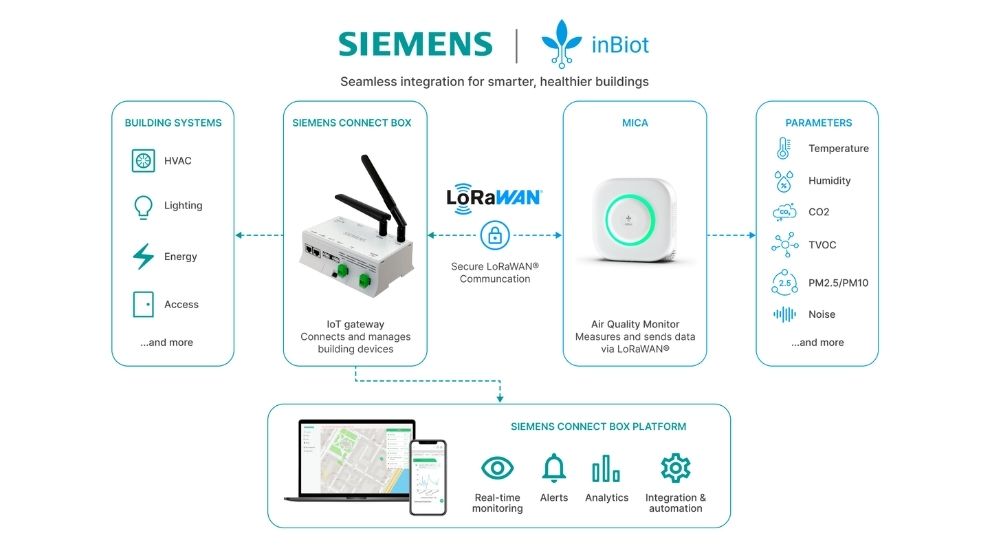
inBiot IAQ monitors integrate natively with Siemens Connect Box via LoRaWAN, bringing CO₂, particulates and VOCs into the building BMS alongside HVAC, energy and access control. Native KNX access with no intermediate gateways or hardware modifications.

Ver post

inBiot, Aster Award for Best Entrepreneurial Project from ESIC Navarra: Navarran technology to care for the air we breathe

inBiot has won the Aster Award for Best Entrepreneurial Project from ESIC Navarra, a recognition close to home for its indoor air quality monitoring technology, designed and manufactured in Navarra and deployed in more than 30 countries.

Ver post

inBiot and EcoMT announce a technology partnership to integrate indoor air quality into advanced building management platforms

inBiot and EcoMT consolidate two years of international collaboration with the native integration of IAQ data into the OTEA platform, enabling dashboards, alerts and energy optimisation within the EMOS framework.

Ver post

New European EPBD: what it is, who it affects and how to prepare

Directive (EU) 2024/1275 sets new requirements for the energy performance of buildings across Europe, shifting the focus from design to real operational performance. This article explains what the regulation entails, who it affects and why continuous monitoring becomes a practical compliance requirement.

Ver post

When IAQ becomes infrastructure: BMS, compliance and operational performance

IAQ data is now a control and compliance layer in smart buildings. Explore EPBD 2024 implications, BMS integration challenges and continuous monitoring strategy.

Ver post

inBiot & Siemens transforming building air quality together through Connect Box

inBiot IAQ monitors integrate natively with Siemens Connect Box via LoRaWAN, bringing CO₂, particulates and VOCs into the building BMS alongside HVAC, energy and access control. Native KNX access with no intermediate gateways or hardware modifications.

Ver post

MICA obtains LoRaWAN Certification: Innovation and efficiency in air quality management

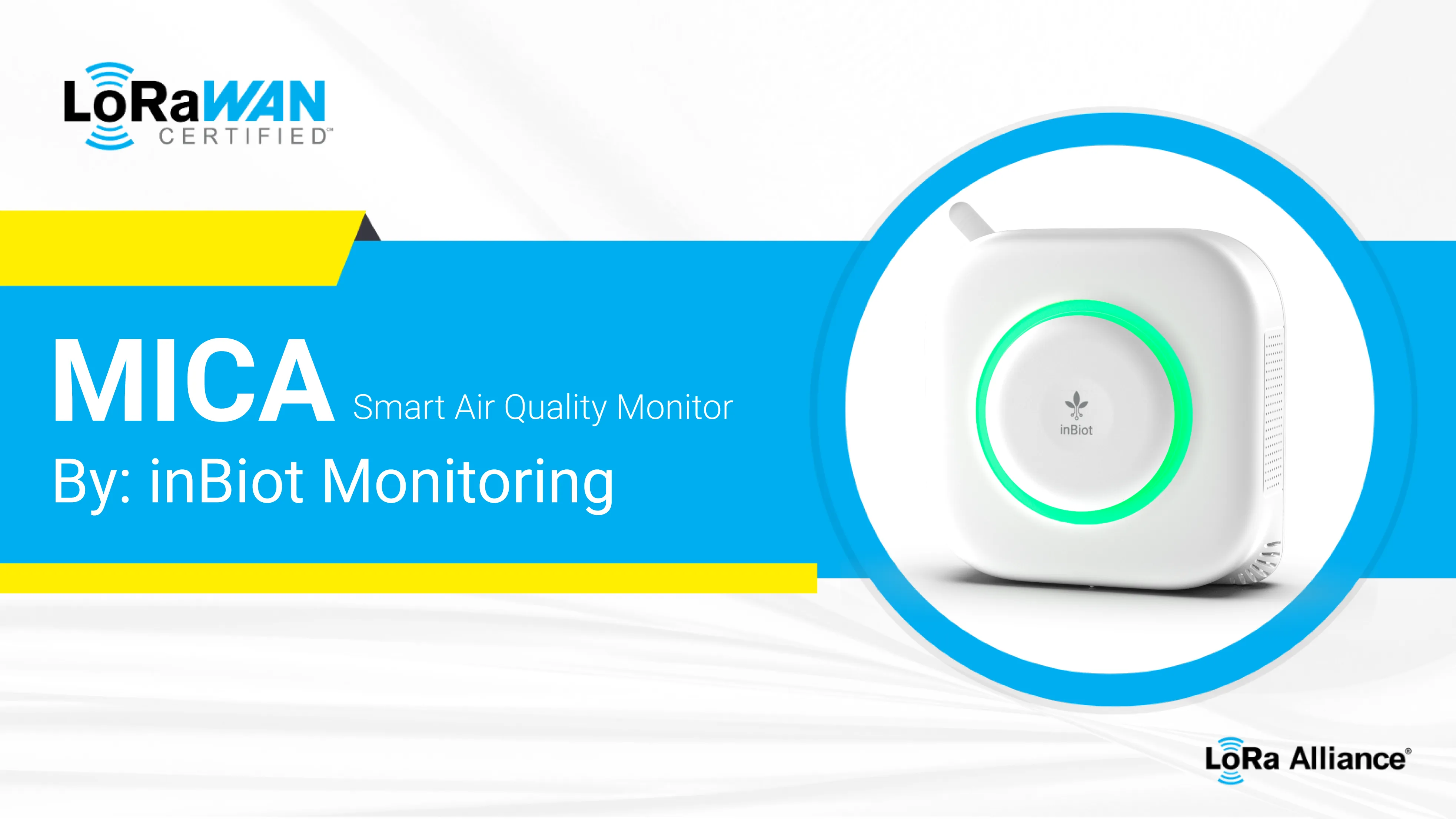
MICA now holds official LoRaWAN certification, ensuring seamless integration into IoT networks for long-range coverage, low energy consumption, and scalable air quality monitoring.

Ver post

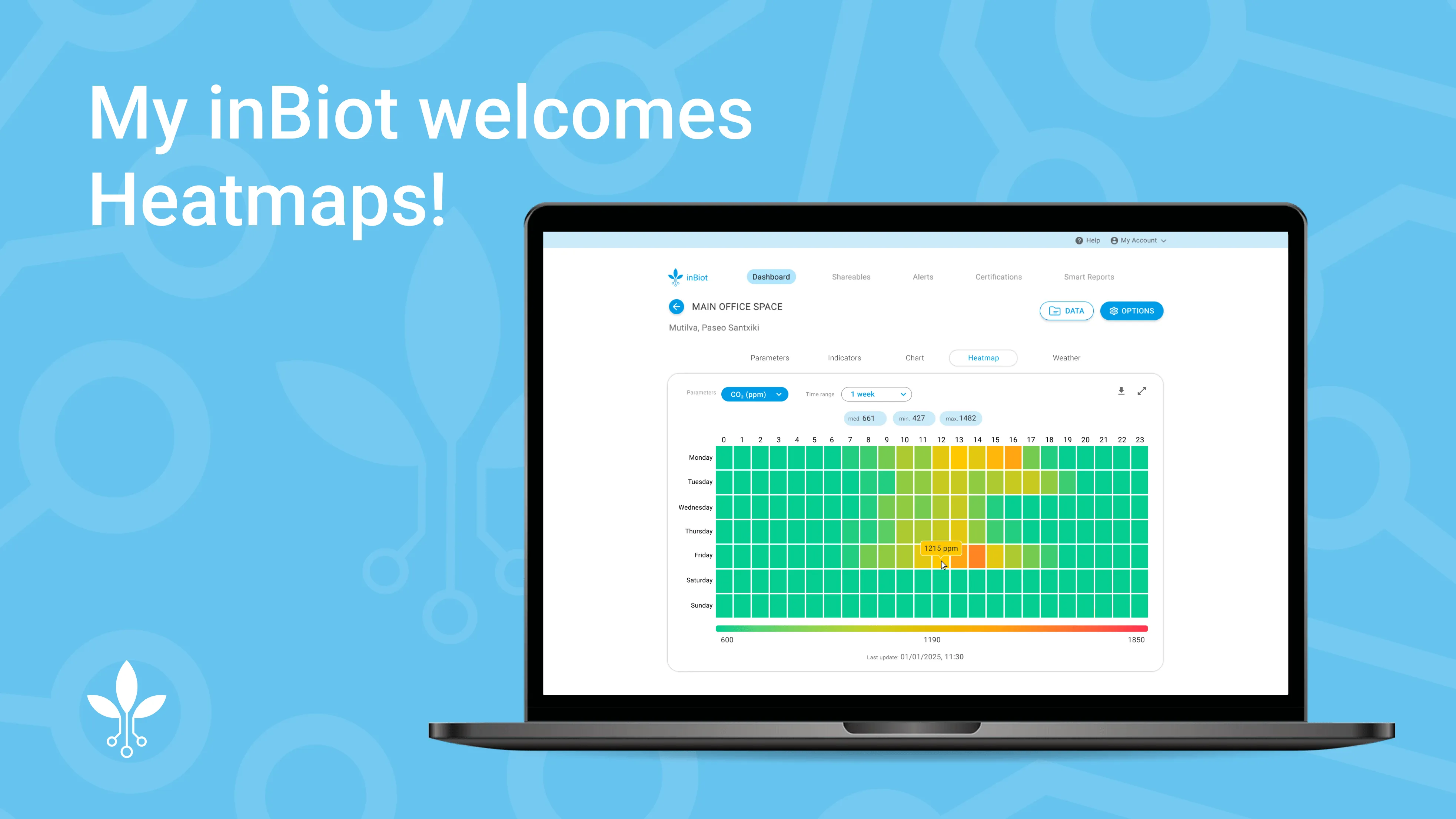
New Heatmaps for a more accurate air quality analysis

New heatmaps in My inBiot make air quality analysis more intuitive, helping detect patterns and optimize ventilation in any space.

Ver post

How AI is transforming indoor air quality

inBiot is researching the use of artificial intelligence to anticipate indoor air quality problems and develop innovative solutions.

Ver post

Debuting NB-IoT/LTE-M connectivity at MICA: the most efficient solution for indoor air quality

New NB-IoT/LTE-M connectivity on MICA devices, designed to improve indoor air quality monitoring with greater coverage, stability and security.

Ver post

inBiot, Aster Award for Best Entrepreneurial Project from ESIC Navarra: Navarran technology to care for the air we breathe

inBiot has won the Aster Award for Best Entrepreneurial Project from ESIC Navarra, a recognition close to home for its indoor air quality monitoring technology, designed and manufactured in Navarra and deployed in more than 30 countries.

Ver postAmpliar información

inBiot and EcoMT announce a technology partnership to integrate indoor air quality into advanced building management platforms

inBiot and EcoMT consolidate two years of international collaboration with the native integration of IAQ data into the OTEA platform, enabling dashboards, alerts and energy optimisation within the EMOS framework.

Ver postAmpliar información

When IAQ becomes infrastructure: BMS, compliance and operational performance

IAQ data is now a control and compliance layer in smart buildings. Explore EPBD 2024 implications, BMS integration challenges and continuous monitoring strategy.

Ver postAmpliar información

Schools and universities: 5 reasons to invest in continuous indoor air quality monitoring

Indoor air quality in educational buildings affects health, learning performance and comfort. Five reasons to invest in IAQ monitoring in schools and universities.

Ver postAmpliar información

3 ways to save energy through indoor air quality monitoring in HVAC systems

In addition to its impact on people's health and well-being, monitoring indoor air quality is key to energy efficiency in businesses.

Ver postAmpliar información

Webinar | Indoor Air Quality in WELL Certifications

In collaboration with ITG WELL, in this webinar we explore WELL certification and its relevance in creating healthy spaces, with a special focus on indoor air quality (IAQ).

Ver postAmpliar información
Webinar | RESET Air Standard: Technology and Innovation in Air Quality Monitoring

In this webinar we delve deeper into the RESET Air standard and share the latest innovations in indoor air quality monitoring. Featuring Stanton Wong, President of RESET.

Ver postAmpliar información

Webinar | Transforming Smart Maintenance with IoT and Air Quality Monitoring

Discover how integrating IoT technologies and advanced air quality monitoring can revolutionize facility management.

Ver postAmpliar información
Webinar | From data to impact: Defining a common language for Indoor Air Quality

How can we move from fragmented data to a shared language that drives real progress?

Ver postAmpliar información
New European EPBD: what it is, who it affects and how to prepare

Directive (EU) 2024/1275 sets new requirements for the energy performance of buildings across Europe, shifting the focus from design to real operational performance. This article explains what the regulation entails, who it affects and why continuous monitoring becomes a practical compliance requirement.

Ver postAmpliar información

Continuous Monitoring: the real backbone of WELL Compliance

Continuous Monitoring is the real backbone for being compliant with WELL certification.

Ver postAmpliar información

Indoor Air Quality in LEED Certifications: The Key to Healthy and Sustainable Buildings

All About LEED: We explore the leading green building standard and the role of air quality in certification.

Ver postAmpliar información

Exploring RESET Air: How to achieve Air Quality Certification with inBiot

Discover RESET Air, the standard for indoor air quality. Get certified with inBiot's accredited devices.

Ver postAmpliar información

WELL certification and indoor air quality: ensuring maximum score with inBiot

Indoor Air Quality Monitoring for WELL Certifications: Requirements, Strategies and Solutions from inBiot.

Ver postAmpliar información

Temperature

It is the most common parameter to determine thermal comfort inside a room.

View postAmpliar información

Relative humidity

Values ​​outside the optimal range weaken the respiratory mucous membranes, increasing the risk of contracting respiratory diseases.

View postAmpliar información

Volatile Organic Compounds - TVOC

Total volatile organic compounds, present in everyday materials and which can cause skin or respiratory tract irritation.

View postAmpliar información

Particulate matter

Suspended particles that can lead to asthma, allergic conditions or heart failure, depending on their size and nature.

View postAmpliar información

Formaldehyde

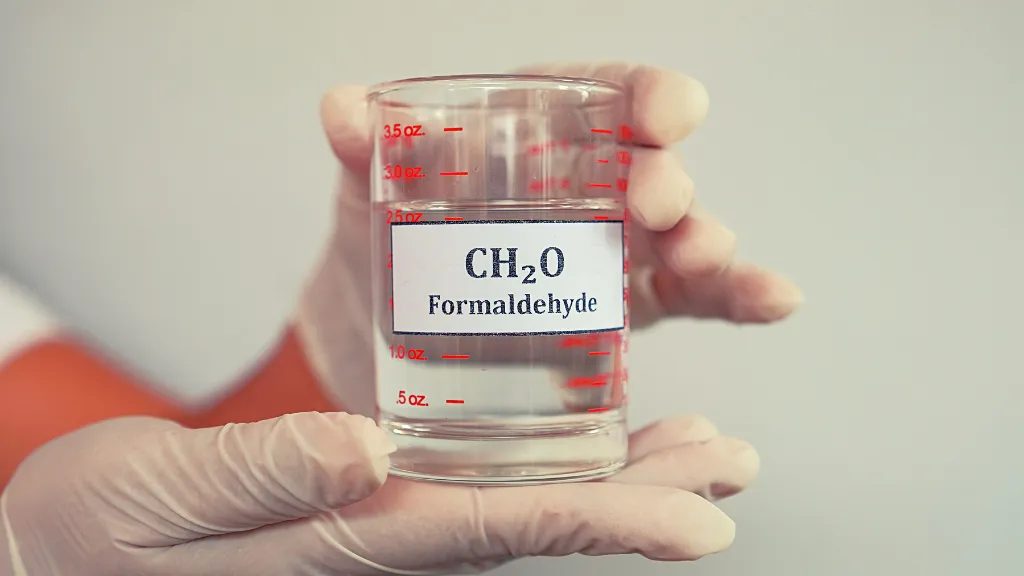
A highly volatile and common toxic gas in indoor spaces, classified as a carcinogen 1B by the EU since 2016.

View postAmpliar información

Ozone

Reactive and highly oxidative gas with low solubility in water. In high concentrations it can damage the respiratory system and affect other systems such as the cardiovascular, immune, gastrointestinal and liver systems.

View postAmpliar información

Nitrogen Dioxide

Toxic, highly reactive and corrosive gas, considered one of the six most critical listed pollutants in terms of affecting indoor air quality.

View postAmpliar información

Carbon Monoxide

Colorless, odorless and tasteless gas that poses a risk of serious health effects if exposed to prolonged inhalation.

View postAmpliar información

Noise

One of the main parameters for determining acoustic comfort inside a space.

View postAmpliar información

Indoor Air Quality Indicator

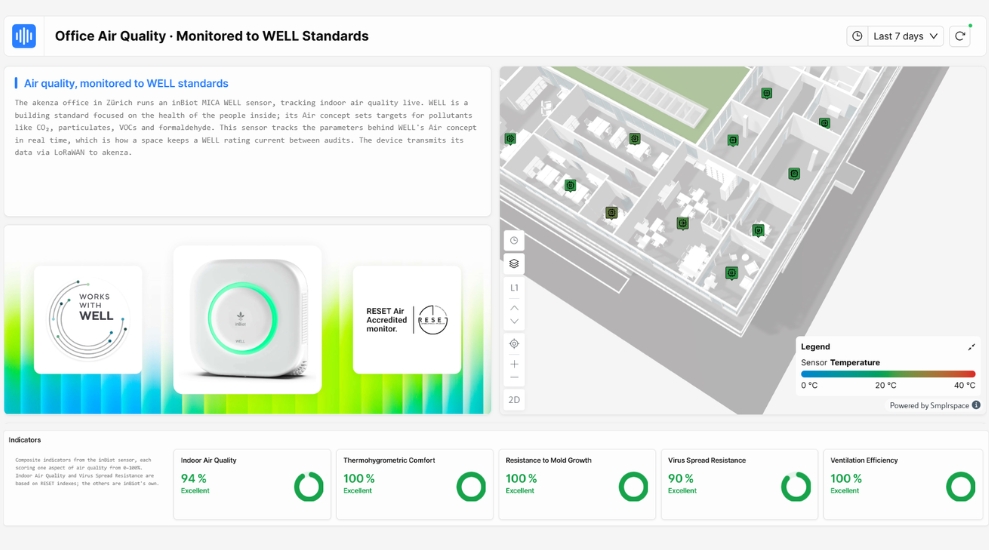
Based on the RESET AIR INDEX, the IAQ indicator simply displays the indoor air quality status of a space in real time.

View postAmpliar información

Thermohygrometric Comfort Indicator

It allows you to easily and objectively identify the optimal temperature and humidity ranges, helping you save energy and maintain an ideal environment of comfort.

View postAmpliar información

Resistance to Mold Growth Indicator

Helps identify vulnerable areas and decision-making to prevent health problems and material deterioration.

View postAmpliar información

Virus Spread Resistance Indicator

Based on the RESET VIRAL INDEX, it shows the resistance that the air in a space offers to the spread of viruses, helping you minimize the potential for airborne viral infection.

View postAmpliar información

Ventilation Efficiency Indicator

It indicates in real time the effectiveness of ventilation in an interior space, allowing the building's systems to be optimized and ensuring a healthy environment.

View postAmpliar información

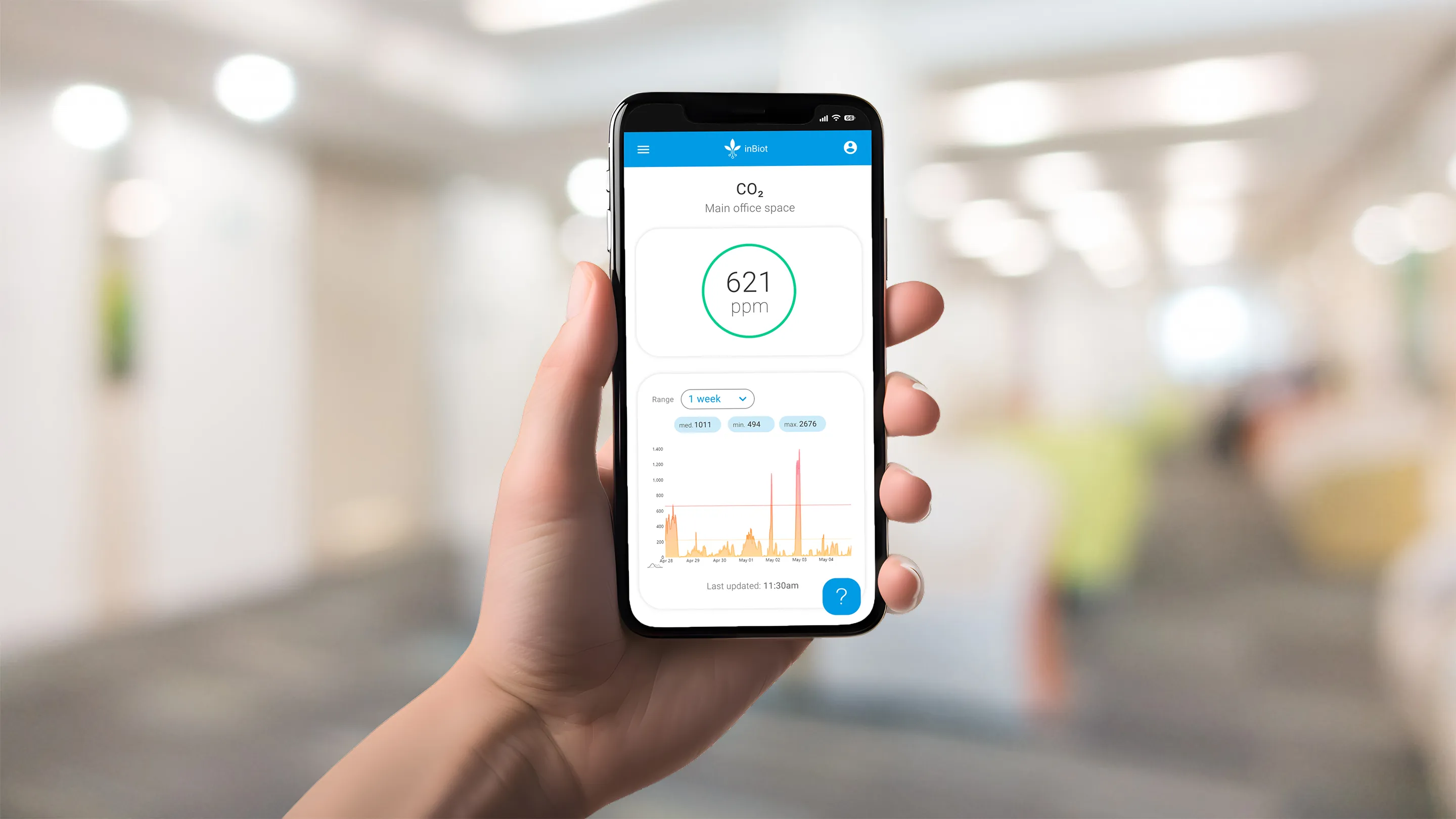
CO₂

Odorless, colorless, and tasteless gas that at high levels causes discomfort, drowsiness, and decreased productivity. Indicator of ventilation effectiveness.

View postAmpliar información